Rustic Type: The Vintage Serif for Authentic Design
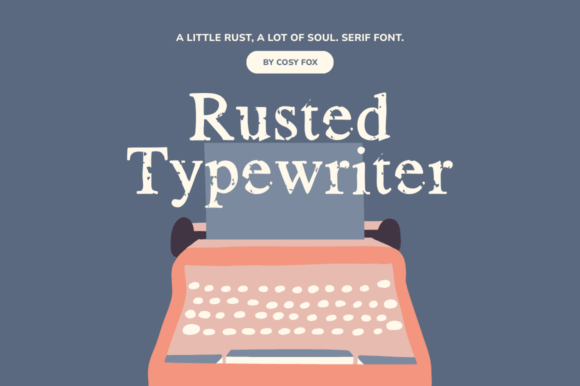
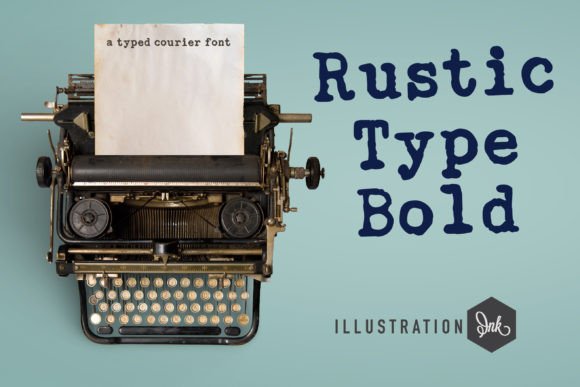
That unmistakable typewriter character, complete with a touch of grunge, immediately evokes a sense of history and handcrafted authenticity. This is the power of Rustic Type, a stunning serif font that transforms digital projects with its vintage charm. In an era of clean, minimalist sans-serifs, this typeface offers a compelling counterpoint, injecting personality and tactile warmth into any design. For graphic designers seeking to create memorable visual communication, understanding how to leverage such a distinctive typeface is a valuable skill.
Understanding the Role of Rustic Typography
Rustic Type is more than just a novelty font; it's a strategic design asset. Its core value lies in its ability to set a specific mood and narrative. The slightly uneven edges and typewriter-like spacing suggest authenticity, craftsmanship, and a connection to the past. This makes it exceptionally effective for projects where storytelling and emotional resonance are paramount. In modern graphic design, where brands strive to stand out, a font with this level of character can be a cornerstone of a strong brand identity, particularly for businesses in artisanal food, craft beverages, boutique hospitality, or heritage retail.
Practical Applications Across Creative Projects
The versatility of a rustic serif like Rustic Type allows it to enhance a wide array of design deliverables. Its visual impact is immediate, making it a powerful tool for grabbing attention and communicating a clear aesthetic.
Brand Identity and Logo Design
When used in a logo, Rustic Type instantly conveys a brand's values of tradition, quality, and hands-on care. It pairs beautifully with earthy color palettes, textured backgrounds, and hand-drawn illustration styles, forming a cohesive visual system that feels genuine and trustworthy.
Marketing and Social Media Content
For social media graphics, event posters, or packaging design, this font cuts through the digital noise. A bold headline in Rustic Type can anchor a poster for a farmers' market or a craft fair, while on Instagram, it lends an authentic voice to quotes, announcements, and product features, boosting user engagement through its distinctive look.
Consider its use in these specific contexts:
- Editorial Design: Create striking pull quotes or chapter headings in magazines or blogs focused on DIY, history, or travel.
- Packaging and Labels: Ideal for gourmet products, craft beers, or handmade soaps, where the typography itself communicates the product's artisanal quality.
- Digital Products and Web Design: Use it for hero sections or call-to-action buttons on websites for specialty shops, cafes, or creative studios to enhance the user experience with thematic depth.
- Advertising Campaigns: Effective in print and digital ads for seasonal promotions, storytelling-driven campaigns, or brands aiming for a nostalgic appeal.
Tips for Effective Implementation
Integrating a strong typographic personality like Rustic Type requires thoughtful application to maintain professionalism and readability. Here are key considerations for your design workflow:
- Prioritize Readability and Hierarchy: Due to its textured nature, Rustic Type is best suited for headlines, titles, and short bursts of text. For body copy, pair it with a clean, highly legible sans-serif or serif font to ensure comfortable reading and establish a clear visual hierarchy.
- Match the Audience and Goal: Ensure the vintage, crafty aesthetic aligns with your target audience's expectations and the project's objective. It excels in creating emotional connections but may not fit a tech startup's need for a sleek, modern interface.
- Consider Scalability and Context: Test the font at various sizes. While it shines large, its details may become muddy at very small sizes. Also, consider the medium; its grunge texture renders beautifully on print design but may require careful optimization for crisp display on high-resolution screens.
- Build a Cohesive System: Let the font inform other design choices. Select complementary imagery, textures, and a color palette that supports the rustic theme. This consistency strengthens the overall brand identity and professional presentation.
Ultimately, the choice of typography is a fundamental design decision that shapes perception and directs communication. A resource like Rustic Type offers more than just letters; it provides a voice and a story. By selecting and applying such creative assets with intention, designers and creators can significantly elevate their work, ensuring it not only looks polished but also connects deeply with its intended audience, transforming standard projects into compelling visual narratives.