Rodeo Desert: Capturing Western Spirit in Modern Design
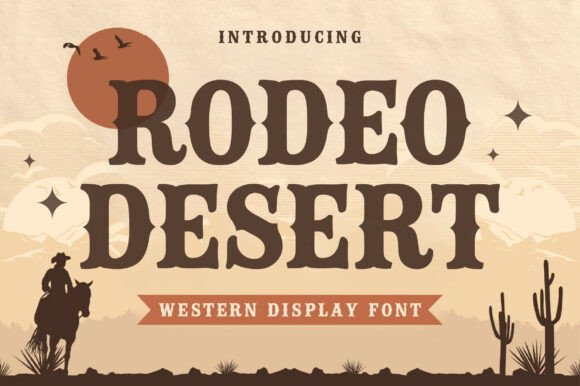
Every project tells a story, and the right typography is the voice that tells it. For designers seeking to evoke rugged authenticity, sun-baked landscapes, and timeless cowboy culture, the Rodeo Desert font emerges as a powerful creative asset. This bold western display typeface, inspired by dusty desert aesthetics and rustic rodeo life, offers more than just letters—it delivers immediate visual character and thematic depth.
Why Typography Defines Visual Impact
In graphic design, typography is a cornerstone of visual communication. It influences mood, directs hierarchy, and shapes brand identity. A typeface like Rodeo Desert, with its strong serifs and rugged curves, does more than convey words; it establishes a setting. This is crucial for projects where atmosphere and authenticity are paramount. Choosing a font isn't merely an aesthetic decision—it's a strategic one that affects user engagement, brand recall, and the overall cohesion of your design system.
Practical Applications Across Creative Fields
The versatility of a thematic display font allows it to enhance numerous design disciplines. Its bold presence ensures impact across both print and digital landscapes.
- Branding & Logo Design: Instantly communicate a brand's personality. A western-themed restaurant, a ranch, or an outdoor apparel company can use Rodeo Desert to build a memorable and coherent brand identity.
- Marketing & Advertising: Create high-impact posters, flyers, and digital ads. Its distinctive style grabs attention in crowded visual environments, perfect for event promotions or product launches with a rustic flair.
- Apparel & Merchandise: This font excels in print design for t-shirts, hats, and accessories. The rugged texture translates beautifully to fabric, adding a vintage, handcrafted quality to merchandise.
- Social Media & Digital Content: Stand out in feeds with bold graphics. Use it for headers, quotes, or promotional banners to create a strong visual theme that resonates with a target audience.
- Signage & Environmental Design: From café menus to festival signage, its high legibility at scale makes it ideal for wayfinding and decorative applications in physical spaces.
- Packaging Design: Elevate product packaging for artisanal goods, BBQ sauces, or craft beverages. The font conveys a sense of tradition, quality, and handcrafted care.
- Editorial & Web Design: Use it sparingly for headlines in editorial layouts or website hero sections to inject personality without compromising readability for body text.
Integrating Thematic Fonts Effectively
Using a powerful display font like Rodeo Desert requires thoughtful application to maintain professionalism and clarity. Here are key considerations for your design workflow:
- Prioritize Readability & Hierarchy: Reserve such fonts for headlines, logos, or short call-to-action text. Pair it with a clean, neutral sans-serif or serif font for body copy to ensure content is easily digestible and maintains a clear visual hierarchy.
- Consider Context and Audience: Ensure the western aesthetic aligns with your project's goals and audience expectations. Authenticity matters; the style should feel intentional, not arbitrary.
- Test for Scalability: Evaluate how the font performs at various sizes, from a small favicon to a large banner. Its strong serifs should maintain integrity and impact across scales.
- Harmonize with Color & Imagery: Complement the font with a color palette inspired by desert tones—earthy browns, sunset oranges, and weathered blues. Pair it with relevant imagery like leather textures, wood grain, or landscape photography to create a cohesive composition.
Ultimately, the power of a typeface like Rodeo Desert lies in its ability to tell a story at a glance. In the realm of modern design, where first impressions are instantaneous, selecting creative assets that align with your narrative is essential. Thoughtful typography does more than decorate; it communicates values, sets expectations, and builds a tangible connection with the viewer. By integrating such purposeful elements into your design toolkit, you transform projects from merely functional to genuinely memorable, enhancing both their aesthetic appeal and their communicative power.