Braille Typography: A Tactile Revolution in Visual Design
Imagine a typeface that does more than just sit on a page; it reaches out, creating a tangible connection with its audience. Braille, the remarkable tactile writing system, is doing just that, breaking down communication barriers and offering graphic designers a powerful new tool for inclusive and impactful design.
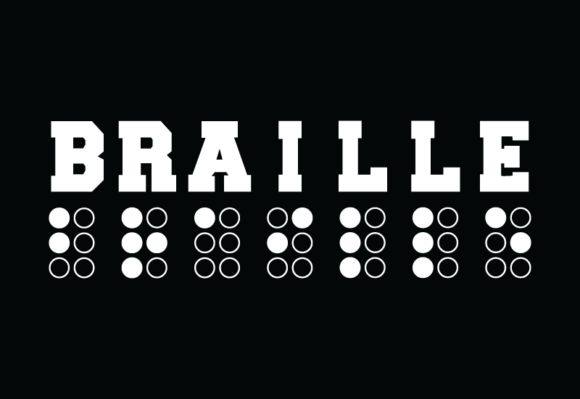
At its core, Braille is a system of raised dots that allows people who are blind or visually impaired to read through touch. Its universal design, adapted across countless languages, serves as a profound bridge of understanding. For the design community, however, Braille is evolving beyond a functional tool. It is becoming a dynamic element in graphic design, adding texture, depth, and a powerful narrative of accessibility to any project.
Why Braille Matters in Modern Visual Communication
In an era where brand identity is built on values and authenticity, integrating Braille communicates a deep commitment to inclusivity. It transforms a static design into an interactive experience, engaging users on a sensory level that traditional typography cannot. This approach strengthens user experience (UX) by acknowledging a wider audience, making your work not only seen but also felt.
From a visual design perspective, the dot-matrix pattern of Braille offers a unique aesthetic. It introduces a geometric rhythm and tactile quality that can elevate a logo design, enhance packaging design, or add a sophisticated layer to editorial layouts. Using Braille is a statement—it says your brand or project values communication for everyone.
Practical Applications for Designers and Creators
Integrating Braille into your creative projects requires thoughtful execution. Here are key areas where it can make a significant impact:
- Branding and Logo Design: A Braille element within a logo or as a secondary mark can instantly define a brand's ethos of accessibility and care.
- Packaging and Print Design: Adding Braille to product labels, business cards, or brochures makes them universally accessible and adds a premium, tactile feature.
- Web and UI Design: While digital Braille requires specialized displays, visually representing Braille patterns in UI elements or promotional graphics can raise awareness and enhance digital storytelling.
- Social Media and Digital Marketing: Using Braille-inspired graphics in social media content can stop the scroll, spark conversations about inclusivity, and differentiate your digital marketing campaigns.
- Editorial and Presentation Design: Incorporate Braille as a decorative header, chapter mark, or pull-quote in editorial design to create a unique visual hierarchy and talking point.
Tips for Effective Integration
To ensure Braille enhances rather than complicates your design, consider these factors:
- Purpose and Authenticity: Use Braille with intention. Is it functional, decorative, or symbolic? Ensure its use aligns with the project's message and respects the community it represents.
- Readability and Scalability: The dots must be raised to the correct height and spacing to be legible by touch. For visual representation, ensure the pattern is clear at all sizes, from a small icon to a large banner.
- Consistency and Compatibility: Integrate Braille seamlessly with your existing color palette, typography, and brand assets. It should complement, not clash with, your overall modern aesthetics.
- Audience Expectation: Context is key. A Braille element on a luxury perfume box serves a different purpose than on a public transit map. Tailor its application accordingly.
Ultimately, the thoughtful use of Braille in design is more than a trend; it is an evolution towards more empathetic and engaging communication. By selecting high-quality creative assets and applying them with purpose, designers can craft work that is not only visually stunning but also profoundly inclusive. This approach enriches the design workflow, fosters deeper connections with diverse audiences, and ensures every project makes a meaningful impact. In the landscape of professional design, embracing tools like the Braille font is a powerful step toward creating work that truly speaks to everyone.